Some of the strongest local relationships start with one simple move: saying thank you.
The firehouse down the road is not just another building. It is a community trust center where firefighters, EMTs, and first responders work long shifts, eat together, and serve together. If your business becomes known and appreciated by them, you become part of the neighborhood.
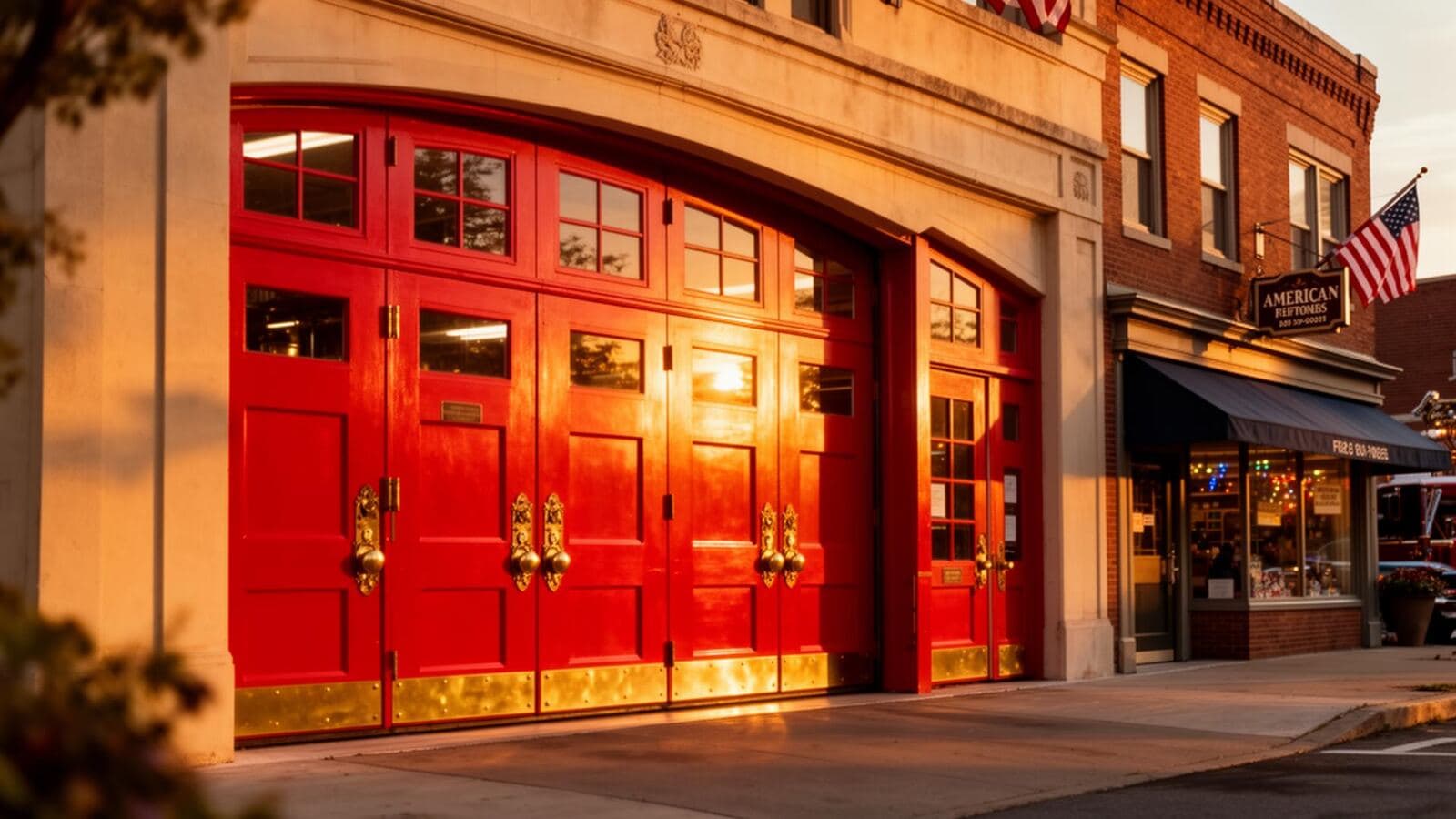
They aren't just stations. They're community trust centers.
Firehouses are part of the emotional foundation of a community. People respect them. Kids look up to them. Families appreciate them. And inside the station, the team eats together, recommends places together, and notices who supports the community. That is why the approach matters.
Most businesses only think about first responders when there is a promotion attached.
"First responder discount! Free meal day! Hero appreciation post! Come take a photo at our business!"
A firehouse is not a prop. First responders are not a campaign angle. If they only hear from you when you want a photo, you are doing it wrong. It feels transactional, not human.
"Thank you for what you do for this community. Is there any way we can support your team or anything you have coming up?"
You walk in with appreciation, not a pitch. The difference between using the relationship and building one is everything. One feels transactional. The other feels human.
Start simple. Walk in with gratitude.
Do not pull out a flyer immediately. Do not ask for a photo. Just be human. The thank-you is the point.
Visit at a respectful time. Do not interrupt an emergency response, training, or mealtime.
Walk in with humility. Smile. Introduce yourself as a nearby local business.
Say thank you for everything the team does to keep the community safe.
Pause. Let it be sincere. Do not rush into an offer.
Ask how you can support their team, station, or community events.
Listen. Their answer opens the door.
Eight ways to show genuine appreciation to the station down the street.
Pick one. Run it with the right heart. Earn the right to do the next.
Station Thank-You Drop
Bring food, coffee, snacks, drinks, gift cards, a handwritten card, or a small appreciation basket. The message is simple: 'We just wanted to say thank you for serving and protecting our community.' The thank-you is the point.
Crew Meal Support
Firehouse teams often eat together. Restaurants, coffee shops, bakeries, and caterers can support crew meals. Even non-food businesses can contribute through gift cards or local partnerships. Make it about appreciation, not exposure.
First Responder Appreciation Day
Rooted in relationship first. Go meet them. Ask what would actually be helpful. Then build the appreciation moment around real people — a thank-you meal, a community card-writing table, a donation drive, or a family-friendly event.
Community Safety Event Support
Fire prevention events, school visits, safety demonstrations, open houses, charity drives. Ask what they have coming up, then ask how your business could support it. The goal is not to be the star — it is to support the people already serving the community.
School & Family Event Tie-Ins
Firehouses often connect with schools, daycares, youth groups, and family organizations. That makes them a bridge to other local relationships. One good relationship often opens the door to another. That is how the Rolodex compounds.
Shift-Specific Appreciation
Firehouses work in shifts. Visiting once may only meet one crew. Track shifts if possible. Ask when other teams are around. Return later. Appreciate different crews. Consistency shows respect — and respect is the foundation.
Support Their Causes
Many first responder teams are connected to charity drives, memorial funds, toy drives, burn foundations, and community support programs. Ask what they support. Then find a way to help. You are joining them in something they already care about.
Ongoing Station Presence
Do not make it a one-time event. Drop by occasionally with no ask. Remember birthdays or station anniversaries. Celebrate promotions. Send a card when the community faces a hard moment. Be present, not performative.
A first visit is just the start. Consistency shows respect.
Do not overdo it. Do not bother them. Do not make it about constant selling. Just stay respectfully present. Most businesses never do that. That is why the ones who do are remembered.
- 01
Follow up within 48 hours if you have a contact.
- 02
Thank them again for their time and service.
- 03
Send anything you promised.
- 04
Ask about the event, drive, or need they mentioned.
- 05
Return within 30 days.
- 06
Visit again to meet other shifts. Stay respectfully present.
Five lines. No pitch. Total relationship-opener.
Walk in at a respectful time. Smile. Mean it. Then listen — their answer opens the door.
- 1
"Hi, I'm [Name] from [Business Name] right down the road. I just wanted to stop by, introduce myself, and say thank you for everything your team does to keep this community safe."
- 2
"Is there any way we can support your team, your station, or any community events you have coming up?"
- 3
"We'd love to be a good neighbor. That could be something simple for the crew, support for an event, or help with something you are already doing in the community."
- 4
"We're not here to make it complicated. We just want to say thank you and help where we can."
- 5
"Then listen. Do not rush. Do not pitch. Do not ask for a photo. Let the relationship be real."
If it isn't tracked, it won't compound.
Don't trust memory. Every first responder relationship gets a written record — so a first visit turns into a year-long rhythm.
- Station name
- Distance from your business
- Chief or captain name
- Shift lead contacts
- Best time to visit
- Shift schedule notes
- Community events
- Charity drives
- Safety events
- School or family outreach
- Date of first visit
- What you dropped off
- Who you met
- Follow-up date
- Next step
- Relationship status
One station. One year. A neighborhood that trusts your name.
- A firefighter who knows you can recommend you.
- A captain can remember you for a community event.
- A crew can become regulars.
- A thoughtful second visit can create trust, goodwill, and future referral conversations.
- A safety event can introduce you to families.
- A charity drive can connect you to other local partners.
This week, your six-step starter.
- 01
Identify the nearest firehouse, EMS station, or first responder group within your market.
- 02
Add it to your Golden Rolodex.
- 03
Visit at a respectful time.
- 04
Smile. Introduce yourself. Thank them for serving the community.
- 05
Ask how you can support the team, station, or upcoming community events.
- 06
Create a natural reason to follow up if appropriate. Return within 30 days with an intentional, confirmed second touchpoint.
The firehouse down the road may already be one of the most trusted places in your neighborhood.
They just do not know you yet. The crew may already be choosing where to eat, shop, and recommend. The station may already be involved in community events. They just do not know you are willing to help yet. Walk in as a neighbor. Lead with gratitude. Serve first. Build the relationship.
Back to the One-Mile Radius